
Dispatches from the Europe of 2005 ›
Society · Valencia
Valencia, eighteen months on. The common civil protection rebuilt the bridges, not the day of the water
the branch’s calendar · POD 2005
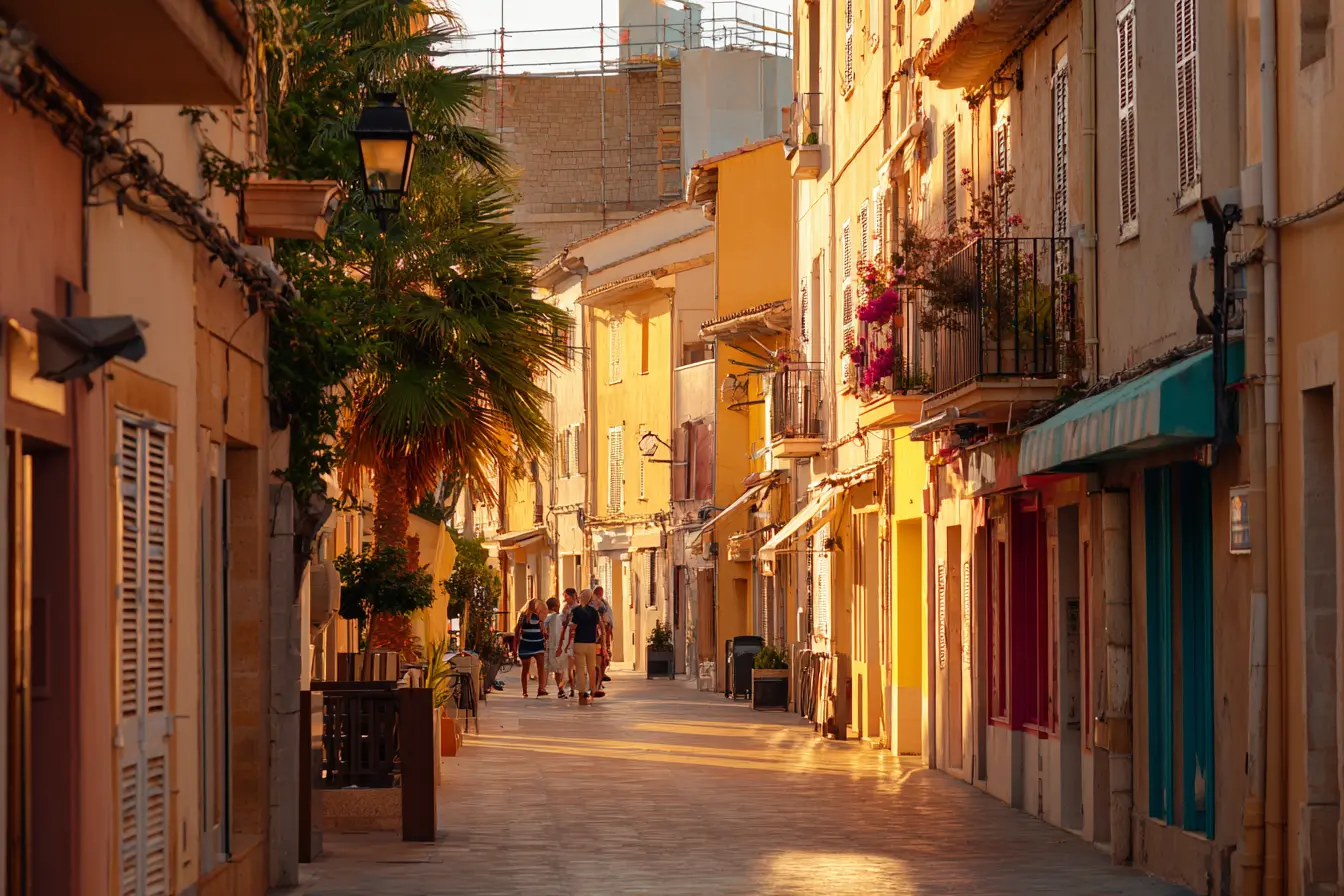
South of Valencia the neighbourhood has rolled its shutters up again, the bridges are new, the tram line runs down to the sea once more. The reconstruction did not take the years it would have taken elsewhere: the Union’s common civil protection arrived in the right hours with personnel and equipment from half the continent, and the disaster fund paid without the scramble of a collection, because it had been allocated before it rained. A pot decided once, that does not wait for the emergency to ask who puts the money in.
It is the difference you feel walking through: where spending is continental and automatic, a disaster does not also become an administrative failure. There is no second flood, the paper one, made of reimbursements that never arrive and building sites stalled for two years waiting on a budget. The mud leaves once. The bar owner tells me, wiping down the new counter: “They got us back on our feet fast. It means something, knowing you won’t be left alone in the mud.”
Everything else remains, and it is the part no fund touches. That day the water took more than two hundred people, and the new bridges do not bring them back. The woman on the ground floor I interviewed a year ago has not returned: the house was rebuilt, she was not. The branch’s machine is very good at putting things back together and has no idea how to put back the living who are missing. Anyone who confuses reconstruction with recovery has not spoken to those who stayed.
And yet it does one thing, enormous precisely because it is modest: it ensures the grief is not doubled by abandonment. Here the survivors mourned their dead inside a dry house, not inside the wait for help that never came. Somewhere else the same rain leaves the bereavement and, on top of it, the ruin, for years. Here it leaves only the bereavement. It is little to say to someone who has lost someone. It is everything, for those who stayed to start again.