
Dispatches from the Europe of 2005 ›
Foreign affairs · Lviv
The truce has held for three weeks. The Union opens reconstruction sites, but nobody is calling this silence peace
the branch’s calendar · POD 2005
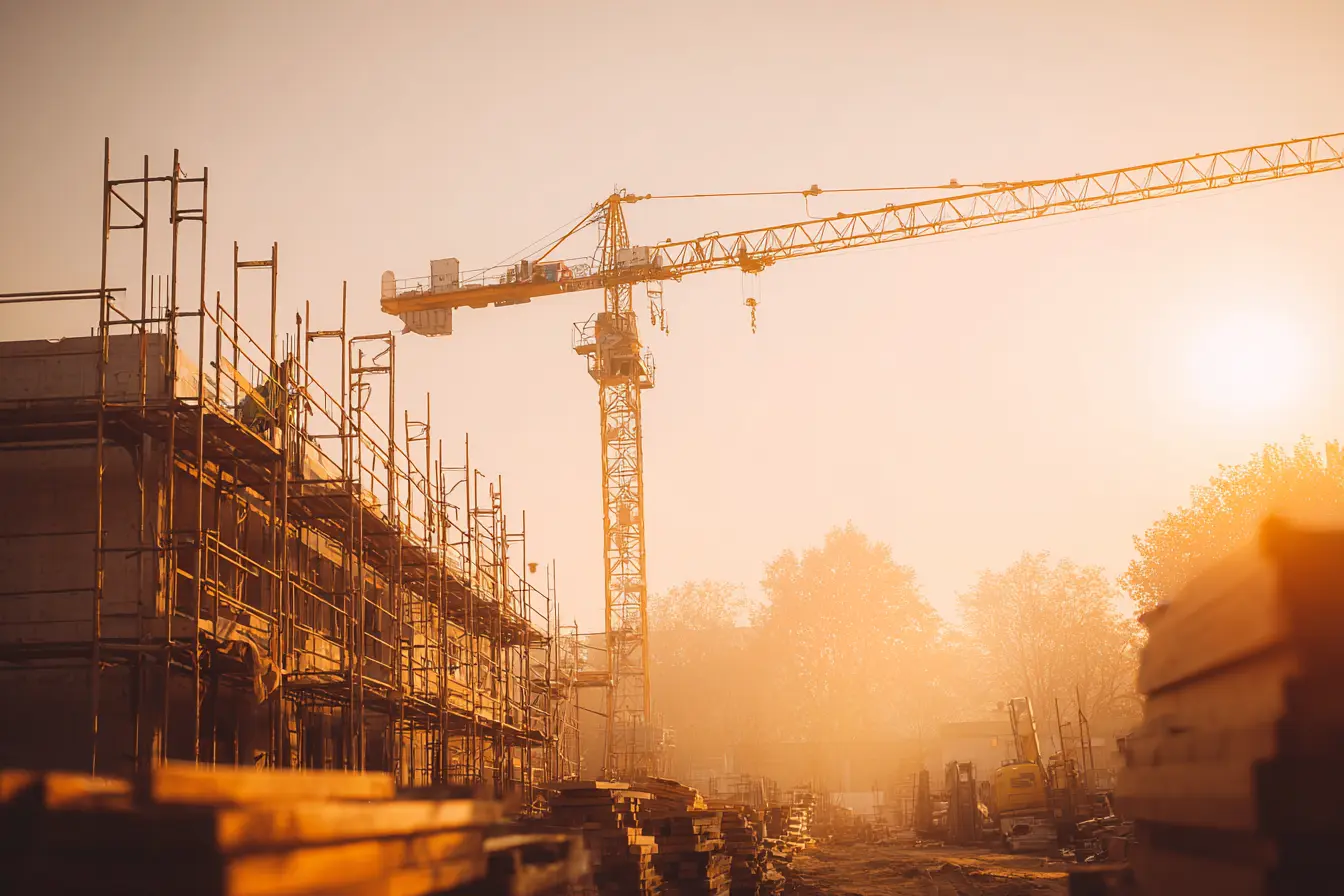
The truce has held for twenty-one days and nobody here is betting on the twenty-second. But twenty-one days are enough to get the cranes moving, and the Union, which has a practised machine for construction sites, got them moving. The reconstruction fund had been ready for months: a single allocation, a single authority signing off, no donors’ conference where everyone pledges and few pay. When the pause came, the money was already allocated. That is the dull advantage of a Europe that decides as a single actor: the slowness comes in the deciding, not in the doing.
In Lviv the first site reopens a school and a water main. The engineer overseeing it is Polish, has been working here since before the truce, and when I ask whether this is the beginning of peace he corrects me sharply. “This is concrete. Peace is something else, and I don’t decide it.” He is right, and it is worth writing it plainly: no fund, no single voice, no swift signature brings back those who are gone. The European machine is efficient at the things that can be rebuilt, which is precisely why it must not be confused with healing. A water main can be replaced. A family cannot.
What the single voice allows is something else, more modest and more honest: being there at once, in the hole of silence, before the hole closes again. While the three great powers are still arguing over who guarantees what, the scaffolding is already up. It is not peace. It is the precondition so that, if peace comes, it finds something standing to receive it.
It is almost taken for granted by now that the Union arrives first with bricks rather than speeches. Somewhere the reverse is true, and the speeches always come, while the bricks almost never do.