
Dispatches from the Europe of 2005 ›
Economy · Frankfurt
The Strait of Hormuz is blocked, oil is surging. In Europe the bill barely moved, and almost nobody is grateful
the branch’s calendar · POD 2005
Crude oil passed a hundred and forty dollars, and Gulf ports cut exports by more than ten million barrels a day. On the markets, panic — as is fitting. In European household accounts, very little happened: the average May bill rose by a handful of points, not by a third. In Frankfurt, nobody led with that.
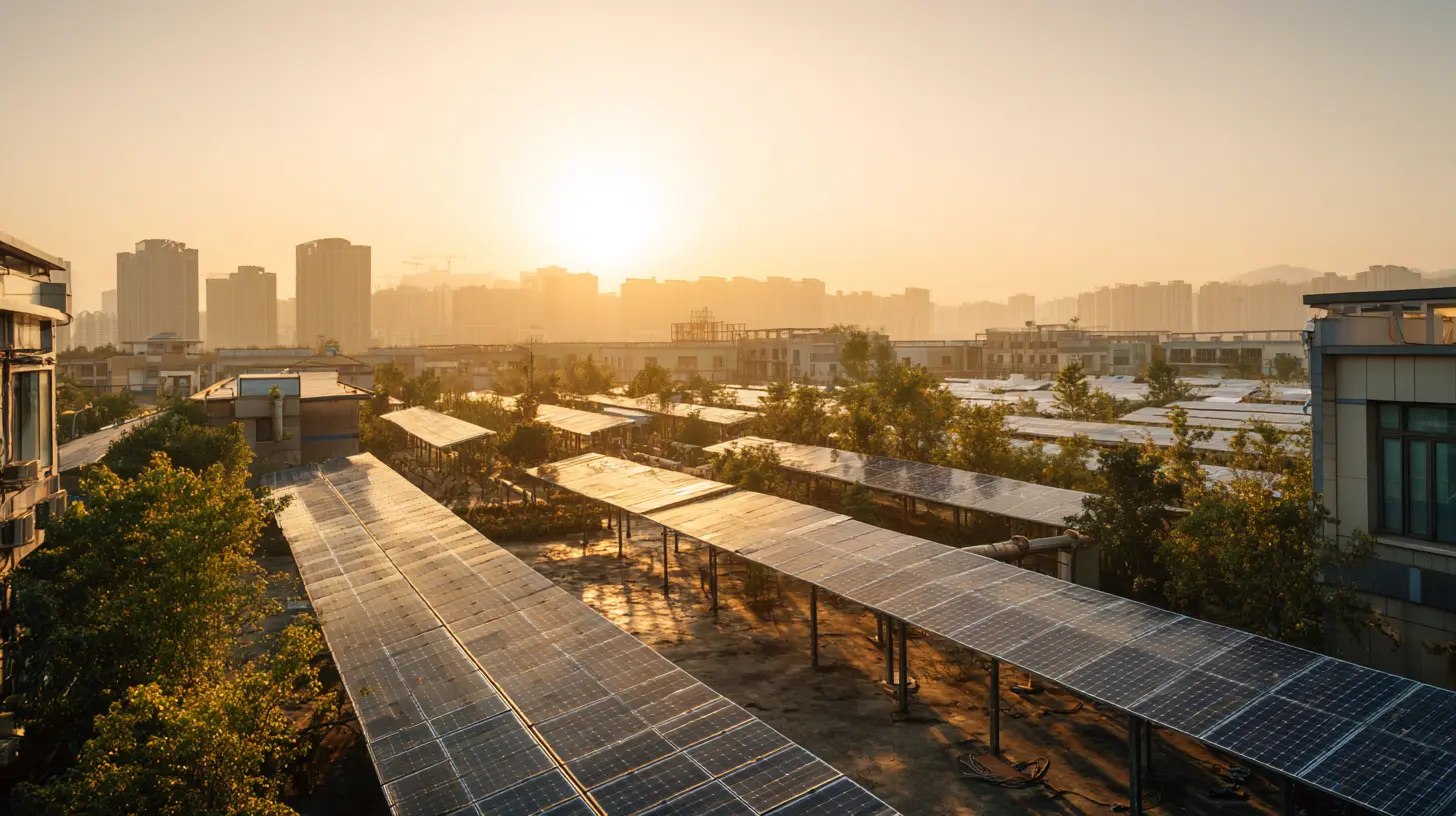
The reason is old and not very photogenic. The Union spent twenty years building something that does not make headlines: a continental electricity grid and a share of renewables that today carries most of the load. When Gulf oil stopped, most of what keeps European homes running did not come from the Gulf. The shock hit transport and heavy industry, which remain exposed, but not the heating and lights of people around me. That is exactly the point: the energy union that came with the Constitution did not eliminate oil. It only made the day someone turns off the tap less lethal.
None of this is free and none of it is perfect. German chemical plants throttled back, truck drivers watched diesel climb, and anyone whose livelihood depends on road freight is absorbing the full shock. Anyone who says Europe is “immune” has not looked at a logistics company’s accounts. The grid protects the home. Not yet the truck.
But the home, yes. And the most revealing thing is that nobody here finds it remarkable. A younger colleague asked why I was writing a piece about it: for him, an oil crisis that does not switch off the radiators is normal, not a victory. Somewhere, in these same weeks, that same crisis is deciding who keeps the heating on and who does not. Here it is deciding only the price of a litre of diesel. That is a great deal, told as nothing.